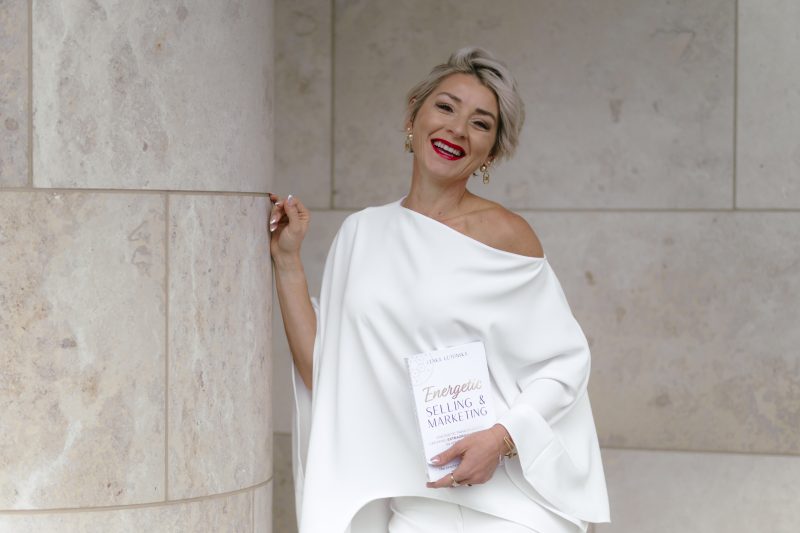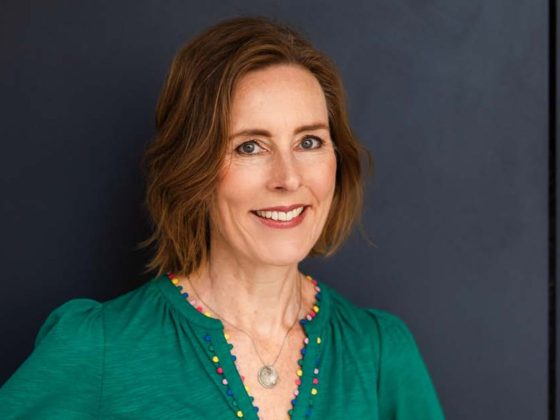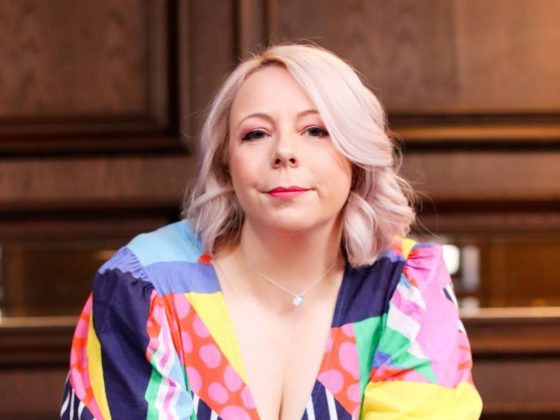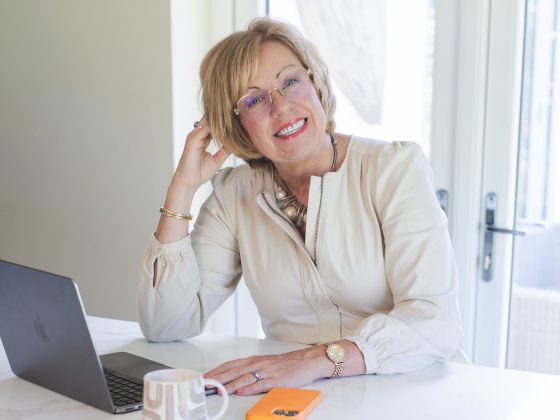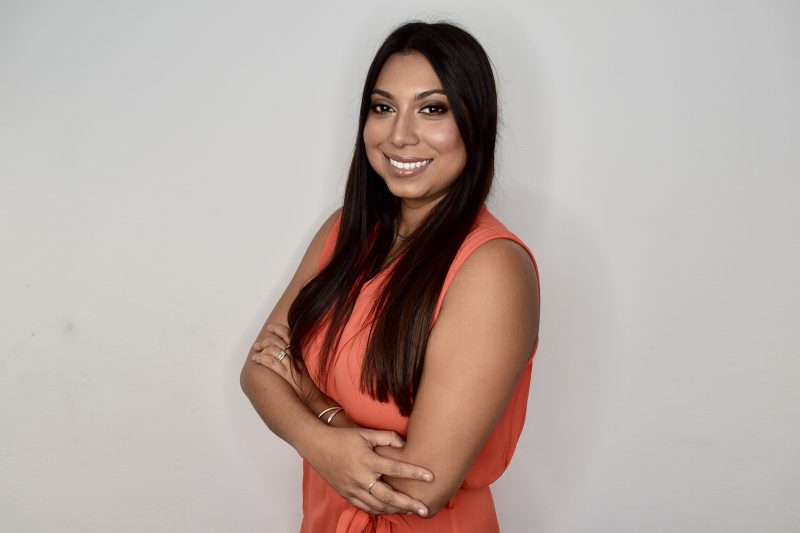

Dawn has strong opinions about the coaching boom and isn’t afraid to voice them. In a world awash with self-help promises and quick fixes, she refuses to chase trends or shortcuts. In this feature, she explains how she has carved a thriving space for herself by focusing on what really matters: helping clients confront the thoughts and habits holding them back and creating lasting, meaningful results.

“For years, personal development stayed ‘personal’ until I learned to apply it, turning insight into action and transformation into results.”
Before coaching, I worked in insurance, a career that, looking back, felt completely grey. Ambitious and driven, I worked my way up, eventually running someone else’s business before starting my own brokerage.
During that time, I had no idea this whole other world existed. I’d never heard of networking until someone invited me to a meeting. Listening to people talk about books like Who Moved My Cheese? and The One Minute Manager, I thought, “Whoa, what is this?” I had to know more. When I was offered the chance to train others in networking as a tool for business growth, I jumped at it.
I sold my share of the brokerage, moved into training and mentoring, and threw myself into personal development – but at first, I was more of a consumer than a doer. Learning without action changes nothing, so I quickly focused on applying knowledge to create real change.
Then life threw a curveball. While my mum was being treated for breast cancer, I was diagnosed with a rare, aggressive cancer. Nine gruelling months followed, and though I survived, my mum didn’t. The loss left me in a deep depression, masked by daily routines, until I finally broke.
Coaching pulled me back. Experiencing it first-hand was transformative, and I realised I wanted to help others in the same way. I qualified as a coach and NLP practitioner and began working with clients, but it took time to build a successful business. For years, personal development stayed ‘personal’ until I learned to apply it, turning insight into action and transformation into results.
On top of everything else, I was carrying the weight of a toxic second marriage that dragged on far longer than it should have done. To cope, I spent money I didn’t have, until one day, I opened my bank account and saw £2.47 staring back at me. That was rock bottom. I eventually entered an IVA to manage £60,000 of debt over five years, only completing it last year. Even now, my heart races at the memory. Money is still taboo for many women, but I refuse to hide it.

“I’ve learned that being willing to experience fear, vulnerability or discomfort changes everything.”
That period taught me a lesson central to my work: self-worth is not defined by your bank balance. I had to learn it before I could teach it. I began noticing patterns of self-sabotage and how thoughts shape emotions, actions and results. The truth is simple but powerful: your thoughts create your results.
I gravitated toward women in service-based businesses because I saw myself in them. They had expertise and passion but were drowning in doubt – undercharging, holding back and avoiding opportunities because they didn’t feel good enough. I know that feeling too well: I used to lie on the sofa crying, wondering why my business wasn’t working, even though I knew I was a good coach.

To me, the phrase ‘imposter syndrome’ doesn’t sit well. It sounds like a condition, when really it’s your brain saying you’re on a journey from one place to another. That creeping self-doubt isn’t proof you don’t belong; it’s part of growth. The problem comes when people wear it like a badge.
There’s so much talk about mindset and positivity, and I want to be clear: it isn’t about chanting affirmations in the mirror. If you’ve got £2.47 in the bank, shouting “I’m a millionaire!” won’t magically make it true. What matters is noticing your thoughts and replacing those that hold you back with ones that actually serve you.
I’ve learned that being willing to experience fear, vulnerability or discomfort changes everything. If you allow yourself to feel unsure instead of trying to stay positive all the time, you can take far more action. You move forward because you’re prepared to show up fully, not because you’re ignoring reality.

“Episodes are about 25 minutes, enough to deliver a concept and spark action. They’ve become more than content; they’re a mirror. Listening back, I can hear how I’ve grown as a coach and communicator.”
That approach transformed my business. It gave me confidence to take real steps, face challenges and stop hiding behind fear. Now, it’s how I work with clients: we start by understanding the thoughts shaping your actions, then choose beliefs and behaviours that lead to the results you want.
Two and a half years ago, I decided to amplify my voice with a podcast. I didn’t want the tech hassle, and professional production was too expensive, so I started small and went live weekly in my Facebook group,
The High Vibe Tribe. That experiment became the seed for a proper podcast a year later, once I found the right support. For me, it’s never just content; it’s connection. People message me: “I’m going on my dog walk tomorrow and you’re coming with me.” It’s a way to reach people not ready for live sessions or paid programmes. There’s no gatekeeping.
Episodes are about 25 minutes, enough to deliver a concept and spark action. They’ve become more than content; they’re a mirror. Listening back, I can hear how I’ve grown as a coach and communicator. It reminds me of my consistency. I’ve published an episode every week for more than two years now. That’s no small thing.
People think, “I’ll start a podcast tomorrow.” But timing is everything. Don’t start something as a shortcut. I’d already begun building my business; otherwise, I’d have been distracted by shiny bells and whistles. Podcasts don’t magically do anything – you’re not Stephen Bartlett.

“I introduced a three-day work week, six-weekly mini-breaks and clear boundaries.”
My audience is small but deeply engaged. After a year, I started seeing direct results and learned to include simple calls to action: “If you want to come, drop me a message.” I’ll never forget the first time it worked: early one Wednesday, a Facebook message popped up with one word: Retreat. Within minutes, we’d sold a place for my first retreat – 20 women, three days of focus, coaching and transformation, free from kids, partners, dogs or work distractions. Watching those women fully invest in themselves and their businesses was a privilege.
High Vibe Tribe soon became the launchpad for High Vibe Live, a full-day coaching event. Inspired by a podcast tip, I booked a hotel, built a one-page website on Canva and opened registration. 25 people signed up.
Two years later, it was 110, and now I cap it at 125 to maintain intimacy, which is essential for people to feel safe to unburden themselves. About 18 months ago, I was on a retreat myself when a coach shared an affirmation I’ve since adopted: “The more rest I take, the more money I make.” Up until then, I’d been trapped in a cycle of overwork and illness, including twice with Covid and once with Covid and shingles, which was awful (I dubbed it ‘Showvid’).
That was my wake-up call. I introduced a three-day work week, six-weekly mini-breaks and clear boundaries. Clients understood, and I haven’t been ill since. I am the asset in my business. Without me, clients and my team can’t get what they need. Rest isn’t a luxury; it’s central to sustainable growth.
Looking ahead, I’d love to speak on bigger stages and reach new audiences. Someone asked if I’d ever wanted to write a book. Weeks ago, I’d have said no. But after naming my new programme which is launching in November, I realised the title works beautifully as a book. Suddenly, I wanted to write one. It would be the extension of my life’s work and a way to share lessons, tools and stories more broadly.
The coaching industry has exploded over the past few years, and honestly, it’s a real mixed bag. There was a time I considered calling myself something else because ‘coach’ felt overused. Plus, there’s no regulation. You don’t need qualifications to call yourself a coach, which frustrates me. Coaching should be about real transformation, not just a catchy title.
I’m particularly wary of the online hype. There’s this expectation that you can make six figures in a weekend. Of course, that’s not how it works. As I scale, I ask the people closest to me to call me out if I ever lose that connection. I want to know my clients personally, understand their businesses and make sure they get what they need from me.

“For me, coaching isn’t about hype or shortcuts. It’s about accountability, clarity and genuine transformation.”
People are different. I’m not about cookie-cutter solutions or six-figure blueprints. My approach is roughly 80% mindset, 20% strategy. We work on strategy, but first, we dive into your brain, because most people know what to do, they just aren’t doing it. That’s a mindset issue, not a strategic one.
I resisted starting my own group programmes for years because I loved one-to-one work and worried about losing that intimacy. Now I see groups can be just as powerful, sometimes more so, because clients learn from each other as well as from me. The personal connection is still at the heart of everything I do.
For me, coaching isn’t about hype or shortcuts. It’s about accountability, clarity and genuine transformation. If you don’t challenge the voices in your head, they’ll derail you. My role is to help clients see what’s really holding them back and take action that leads to real results. Because when you do the inner work, you stop getting in your own way…and that’s when you realise you were more than capable all along.

MEET THE FOUNDER
Dawn Owen
Dawn Owen, the Zero BS Coach, helps women in business smash limiting beliefs and build sparkling ventures. Known for her bold energy and sequined jumpsuits, she blends sharp strategy with mindset mastery to deliver results, minus the fluff.